As an Amazon Associate, we earn from qualifying purchases. Some links may be affiliate links at no extra cost to you. Although our opinions are based on curated research, we haven't used these products. Articles generated with AI.
Why Make These Face Masks For Oily Skin?

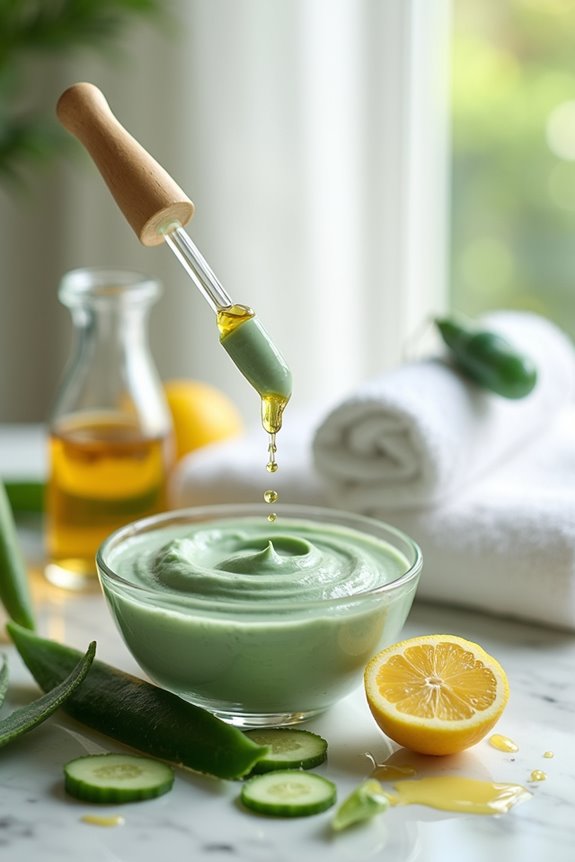
Making your own face masks for oily skin gives you complete control over the ingredients while saving money compared to store-bought products. Natural oil-fighters like clay, charcoal, and honey work together to absorb excess sebum, shrink pores, and balance pH levels – all without harsh chemicals. I've found these DIY masks incredibly effective at reducing shine and preventing breakouts. Let's explore some powerful combinations that'll transform your skin care routine.
Key Takeaways
- Natural ingredients like clay and charcoal effectively absorb excess sebum while being gentler on skin than harsh commercial products.
- DIY masks allow complete control over ingredients, helping avoid harmful chemicals that might worsen oily skin conditions.
- Homemade masks are cost-effective alternatives to expensive store-bought treatments while delivering similar oil-controlling benefits.
- Fresh ingredients ensure maximum potency of active compounds, providing better results for managing excess oil production.
- Custom face masks can be adjusted to address specific skin concerns while maintaining oil control as the primary benefit.
Understanding What Makes Skin Oily and How Masks Help
You may be interested
Sebum, that pesky natural oil our skin produces, can be quite the troublemaker for those of us with oily skin! When your sebaceous glands go into overdrive, you'll notice that dreaded shine and those enlarged pores that just won't quit. Trust me, I've been there!
That's where masks for oily skin come to the rescue! These powerhouse treatments work wonders by soaking up excess sebum and giving your pores a deep clean. Think of them as your skin's personal oil-fighting superhero! They're specially formulated with ingredients like clay and charcoal that help restore balance to your complexion. Additionally, hydrocolloid technology is often utilized in some masks to absorb impurities and protect the skin.
Adding these masks to your skincare routine is a game-changer. You'll notice clearer, more balanced skin, and those pesky breakouts will become less frequent. It's like hitting the reset button on your face!
Essential Ingredients That Combat Excess Oil Production
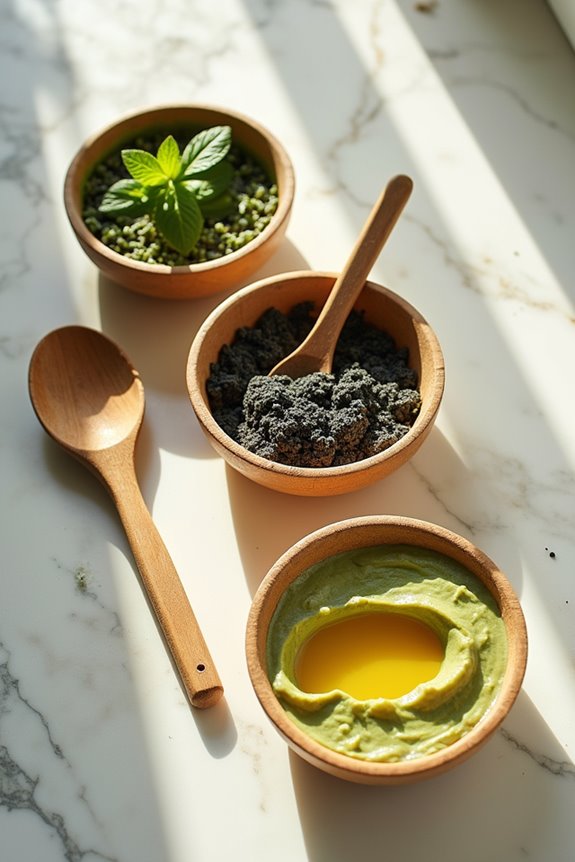
When it comes to fighting oily skin, choosing the right ingredients is like having a secret weapon in your beauty arsenal! I'm excited to share some amazing natural ingredients that'll help you get that shine-free complexion you've been dreaming of.
You'll love how stinging nettle and green clay work together in your facial mask to regulate excess oil production. For an extra boost, try adding pine charcoal to your DIY masks – it's fantastic at absorbing impurities and shrinking those pesky enlarged pores! And don't forget about nature's powerhouse duo: lemon juice and honey. While lemon helps balance your skin's pH and tighten pores, honey fights bacteria without making your skin greasy. My personal favorite? Adding some oatmeal to your mask – it's incredibly effective at soaking up oil while keeping your skin calm and happy! Additionally, incorporating broad-spectrum SPF into your skincare routine can help protect against sun damage and prevent dark spots that may arise from oily skin.
The Science Behind Natural Oil-Fighting Ingredients
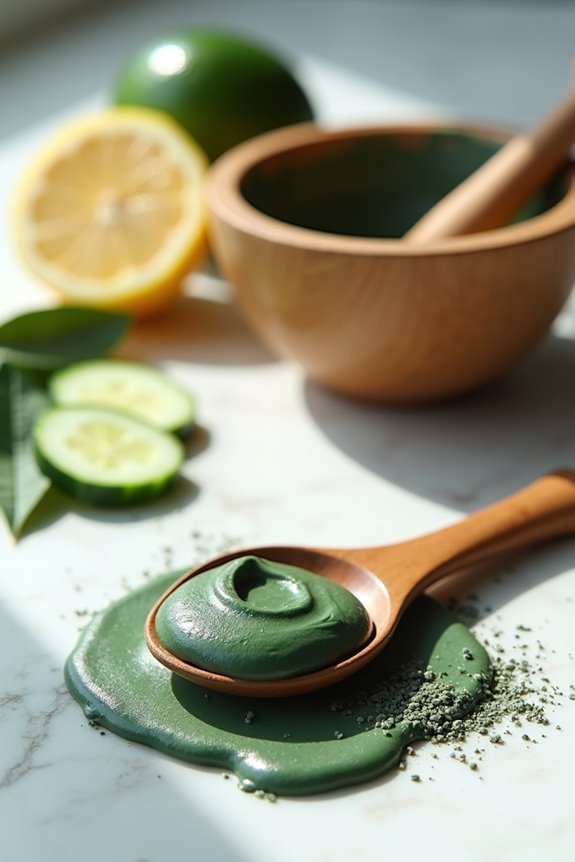
Nature's oil-fighting ingredients aren't just random picks – there's fascinating science behind how they work! When you apply face masks containing ingredients like aloe vera and activated charcoal, you're tapping into powerful natural compounds that target excess oil at its source.
Let me explain how it works: Aloe vera contains natural astringents that shrink your pores while providing hydration, creating the perfect balance your skin needs. Meanwhile, ingredients like honey and lemon juice work together to regulate your skin's pH levels and fight bacteria. It's amazing how charcoal acts like a tiny magnet, drawing out impurities from deep within your pores! And when you add baking soda to your masks, its anti-inflammatory properties help calm your skin while absorbing all that unwanted shine.
Recommended Products

🌿 DETOXIFY, NOURISH & REJUVENATE WITH SCANDINAVIAN PEAT. InfiniteAloe Nordic Mud is packed with nutrient-dense peat, formed over centuries in Finland’s untouched marshlands. This powerful detoxifying mask helps remove impurities while revitalizing and nourishing the skin at a cellular level for a healthier, more youthful glow.

Detox Your Face: Bring balance to oily, combination, and blemish-prone skin with Tiege Hanley’s Detoxifying Clay Mask. This deep-cleansing formula purifies and refreshes your skin by removing excess oil and buildup without over-drying. Designed to leave your complexion looking clear and healthy, it helps restore smoothness while maintaining natural moisture for a refreshed, matte finish.

CHARCOAL DETOX MASK: Two-in-one exfoliating treatment mask provides ultimate skin clearing and draws out excess oil and impurities for a renewed, refreshed complexion.
Quick and Easy Single-Ingredient Mask Recipes
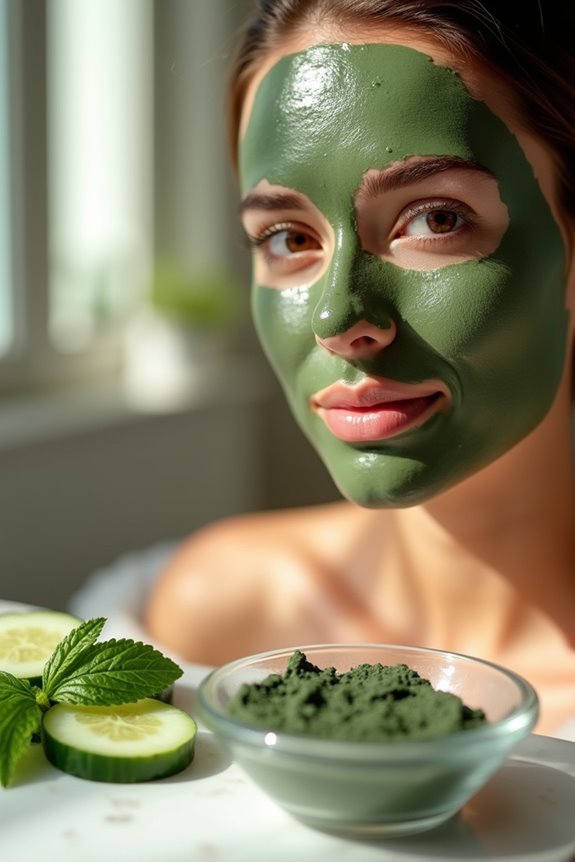
Looking for a super simple way to tackle oily skin? Let me share some of my favorite face masks that only need one ingredient – talk about keeping it easy!
First up, honey's my go-to mask for oily skin types. Just spread a thin layer on your face, and you'll get both antibacterial benefits and moisture without the shine. Love natural exfoliation? Mix baking soda with a splash of water to gently exfoliate and reduce that excess oil. For a cooling treat, pure aloe vera gel works wonders to balance your skin while absorbing oil. Fragrance-free products can also help minimize irritation for oily skin types.
Here's a pro tip: if you're dealing with stubborn oiliness, try a quick lemon juice mask – but use it sparingly! Just dab it on, and you'll notice a brighter, less oily complexion. Simple ingredients, amazing results!
Recommended Products

Holistic Self-Care- Create space in your day with an anti-aging skincare ritual that promotes mindful self-care, aromatherapy-inspired relaxation and grounding connection, gratitude and well-being.

JELLY MASK BULK PACK: You will receive 10 jars jelly mask powder of 500G/17.6 Fl Oz, including hyaluronic acid + collagen + 24k gold + rose + turmeric + chamomile + charcoal + lavender + kiwi + vampire . Each jar can do 25-33 times. As a beauty salon esthetician supplies, SPA treatment, or as DIY skin care at home with friends are great options.
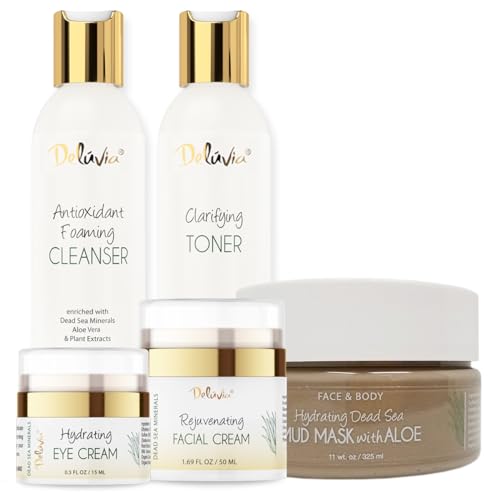
Our Deluvia Premium Facial Kit includes our Antioxidant Foaming Cleanser, Clarifying Toner, 11oz Hydrating Dead Sea Mud Mask with Aloe, Hydrating Eye Cream and our Rejuvenating Facial Cream. We use ingredients like Organic Aloe Vera, Pure Vitamin C and Essential Oils. Gentle enough for all skin types. Made in the USA and cruelty free.
Powerful Multi-Ingredient Mask Combinations
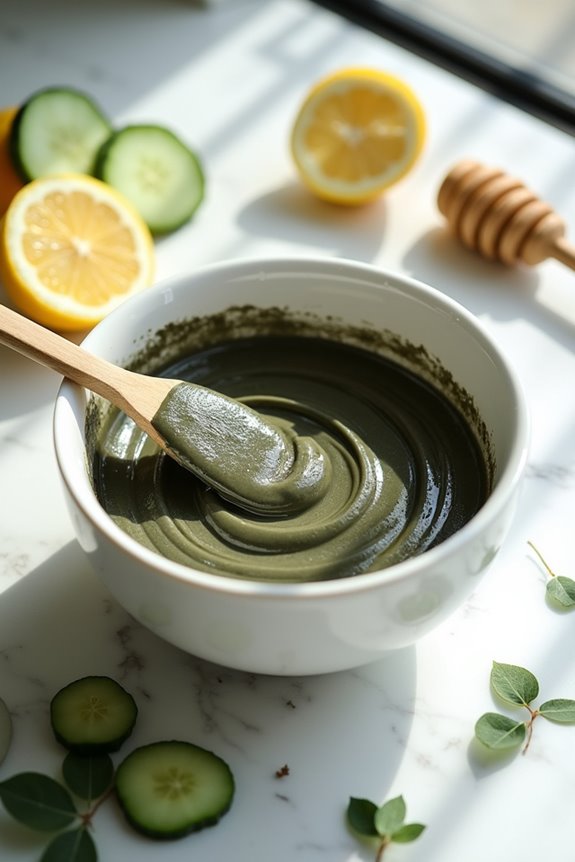
Since single-ingredient masks are great starters, I'm excited to share some powerhouse combinations that'll take your skincare routine to the next level!
For those of you with oily skin types, I've found that mixing stinging nettle with green clay works wonders for taming excess oil. Want something even more potent? Try adding activated charcoal – it's amazing at pulling out those stubborn impurities! My favorite combination for removing dead skin cells is an apple-honey mask. The natural acids gently exfoliate while keeping your skin balanced.
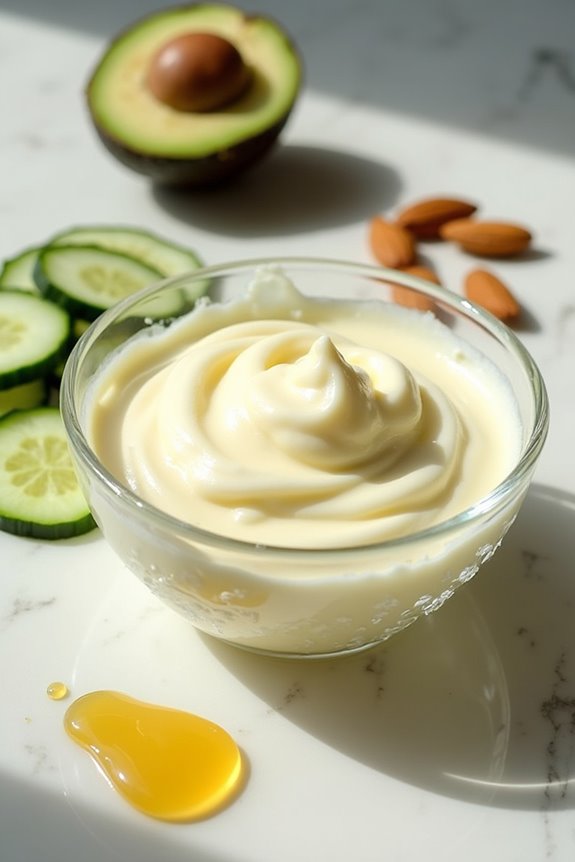
If you're looking for face masks for oily skin that won't dry you out, mix aloe vera with cucumber and honey. It's super revitalizing! And here's my emergency acne-fighting trick: combine baking soda with a bit of water. Trust me, this combo helps calm angry breakouts fast!
Best Application Methods for Maximum Benefits
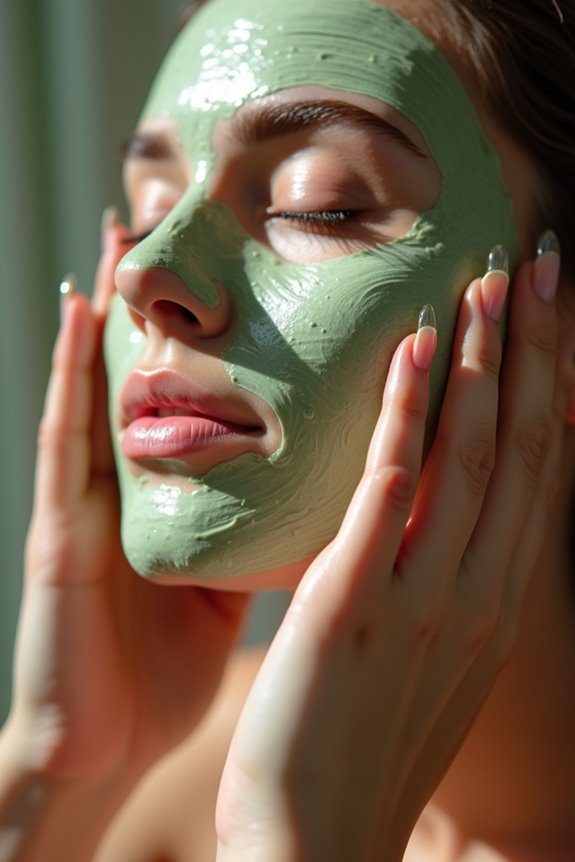
Now that you've got your perfect mask combination ready, let's talk about how to apply it properly – because even the best ingredients won't work their magic if they're not used correctly!
Start with a thoroughly clean face – trust me, this makes a huge difference! When you apply your mask, use clean fingers or a brush (I prefer fingers for better control) to spread it evenly across your skin. Don't forget that T-zone – it's usually where we need the most help with oil control! Let it work its magic for 10-15 minutes – no longer, or you'll risk drying out your skin.
Here's my favorite rinse technique: start with lukewarm water to open those pores, then finish with a cold splash. Finally, lock in all that goodness with your favorite moisturizer!
Signs Your DIY Mask Is Working Effectively
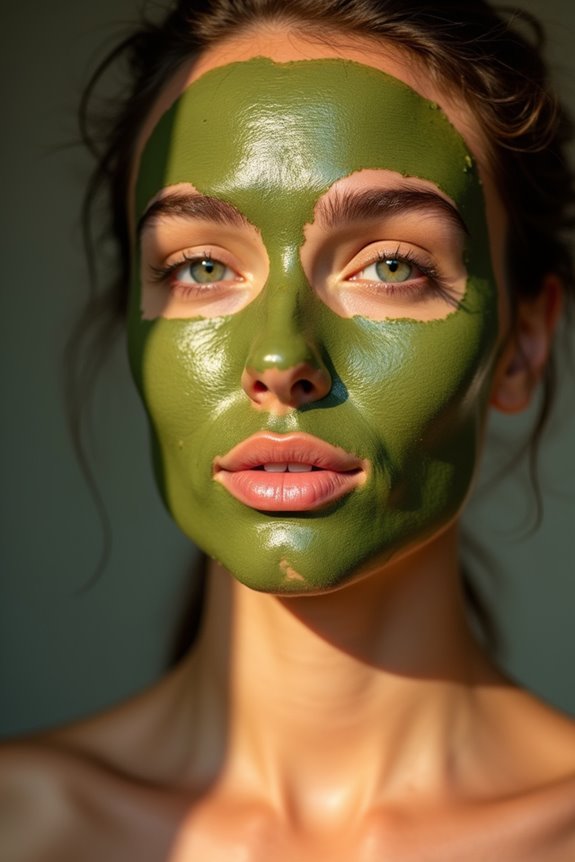
When you've taken the time to whip up your own DIY face mask, you'll want to make sure it's actually doing its job! The Best Face masks for oily skin will show clear signs that they're working their magic.
Within a few hours after using your mask, you should notice less shine and greasiness – your skin thanks you already! A successful application will leave your face feeling fresh and clean without that tight, uncomfortable feeling. The real proof comes with regular use – you'll start seeing smaller-looking pores and fewer breakouts.
Keep an eye on your skin's texture too! If your mask is working effectively, you'll notice a softer, more balanced complexion within a week. Those pesky blemishes should start fading, and your skin's oily patches will become much more manageable.
Common Mistakes to Avoid When Making Face Masks
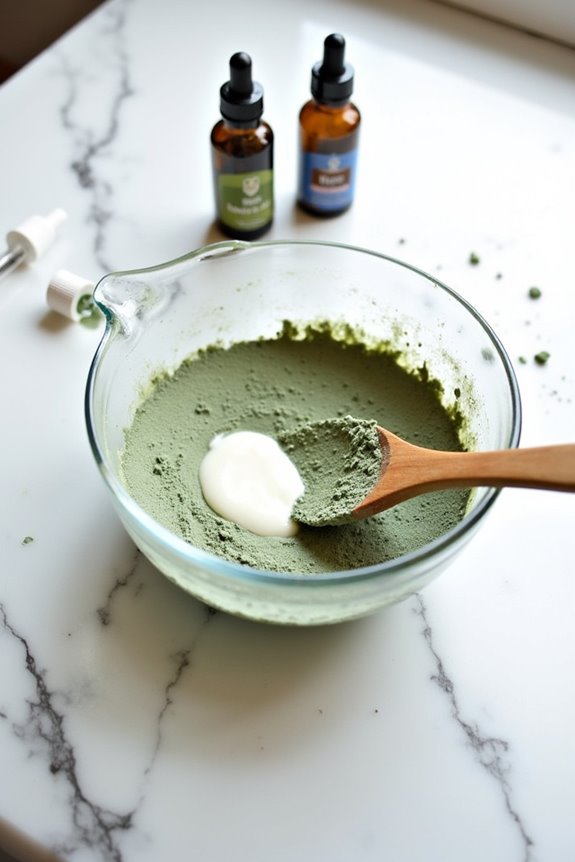
Making your own face masks can be super exciting, but I've seen lots of DIY-ers run into some totally avoidable mishaps! When it comes to common mistakes, I can't stress enough how important it is to get the consistency right. You don't want your mask sliding off your face – trust me, I've been there!
To properly care for oily skin, you've got to be smart about ingredients and application. I always tell my friends to test new ingredients on a small patch of skin first. And here's something many people forget: your skin needs a clean canvas! Always wash your face thoroughly before applying any mask. Oh, and watch out for using harsh ingredients too often – I learned the hard way that daily baking soda masks aren't the answer to oil control!
Weekly Mask Schedule for Balanced Skin
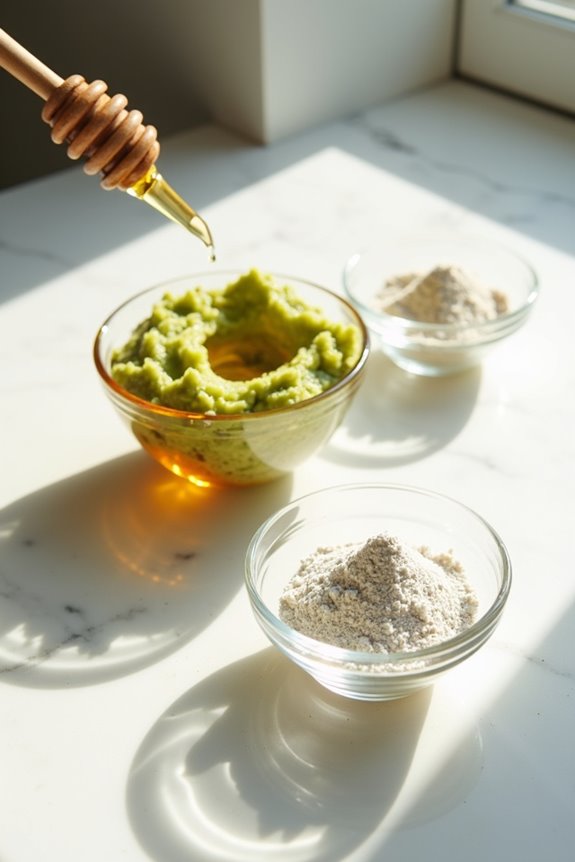
Three key face masks a week is my sweet spot for keeping oily skin in check! I've found that following a weekly mask schedule really helps manage excess oil without over-drying your skin. Trust me, it's all about balance!
Start your week with a detoxifying clay mask containing stinging nettle – it's amazing for unclogging those stubborn pores. Mid-week, I love using a gentle exfoliating treatment to keep things clear and bright. Finally, end your week with hydrating masks packed with hyaluronic acid or soothing aloe vera. You'll love how this combination keeps your skin balanced!
I've learned that consistency is key here. By rotating between purifying and moisturizing treatments, you're giving your skin exactly what it needs without going overboard. Your complexion will thank you!
Frequently Asked Questions
What Does Face Mask Do for Oily Skin?
Face masks help with oil control, giving you better skin hydration without greasiness. They'll prevent acne by clearing your pores and removing impurities, while maintaining your skin's natural balance for a healthier complexion.
Which Homemade Mask Is Good for Oily Skin?
You'll love how these natural ingredients benefit oily skin: try the Aloe Face Mask with cucumber and honey, or the Oatmeal Face Mask with honey. These DIY mask recipes provide effective oil control and skin hydration.
What Mask Is Best for Oily Skin?
Clay masks are your best option for oily skin, especially those containing charcoal and tea tree oil. They'll effectively absorb excess oil, unclog pores, and fight bacteria while providing deep cleansing benefits.
What Ingredient Is Commonly Included in a Mask for Oily Skin?
You'll find clay's a top ingredient in oily skin masks. It offers amazing benefits like absorbing excess oil and unclogging pores. Tea tree and aloe vera are also great additions for their soothing properties.