As an Amazon Associate, we earn from qualifying purchases. Some links may be affiliate links at no extra cost to you. Although our opinions are based on curated research, we haven't used these products. Articles generated with AI.
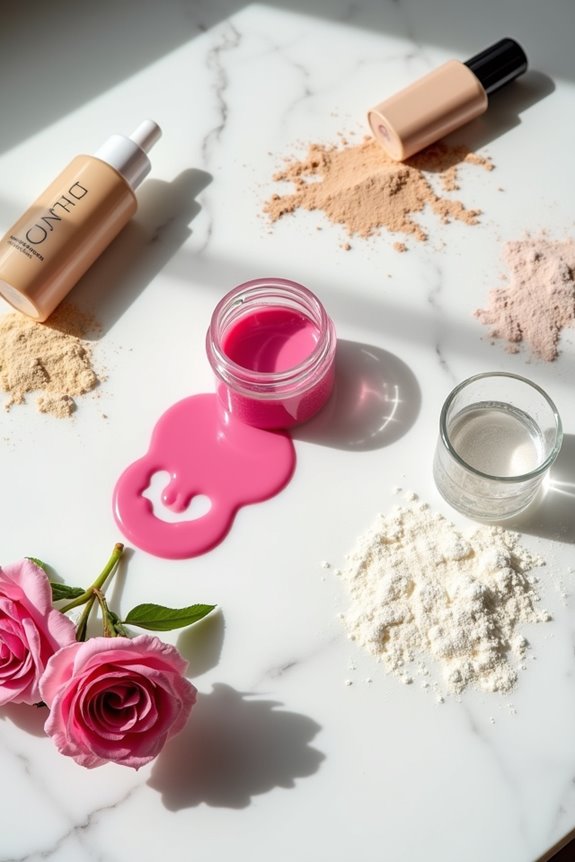
Why Are These Common Beauty Ingredients Secretly Toxic?

Your favorite beauty products likely contain hidden toxins that manufacturers aren't required to disclose. Through regulatory loopholes, companies can conceal harmful ingredients like parabens, phthalates, and formaldehyde under vague terms like "fragrance" or "natural." These chemicals have been linked to serious health issues, including cancer and hormone disruption. With only 186 banned substances in U.S. cosmetics, you'll want to understand what's really lurking in your personal care items.
Key Takeaways
- Trade secret laws allow companies to hide harmful chemicals under vague terms like "fragrance" without disclosing specific ingredients.
- Many common cosmetic ingredients like parabens and phthalates can disrupt hormones and potentially cause reproductive issues.
- The FDA doesn't require safety testing before products reach market, leaving many toxic ingredients unchecked and unregulated.
- Heavy metals and formaldehyde, known to cause neurological damage and cancer, are frequently present in everyday beauty products.
- Only 186 harmful chemicals are banned in cosmetics, while thousands of potentially toxic substances remain legal for use.
Understanding Hidden Toxins in Beauty Labels
You may be interested
Read more10 Ways To Prevent Vitamin C Redness
When was the last time you actually read the ingredient list on your favorite beauty products? You might be shocked to learn that common ingredients like "fragrance" aren't as innocent as they seem! What's really alarming is that cosmetic chemicals can hide behind this simple term, thanks to trade secret protections.
I've learned through the Environmental Working Group that these hidden chemicals often link to serious health concerns – we're talking hormone disruption, allergies, and even cancer. Here's the frustrating part: manufacturers aren't required to provide full ingredient disclosure, making it tough to find safer products. With over 88 potentially harmful common ingredients lurking in thousands of beauty items, you'll want to become a label detective. Don't let vague terms like "natural" fool you – they're not always what they claim to be!
The Health Impact of Common Cosmetic Chemicals
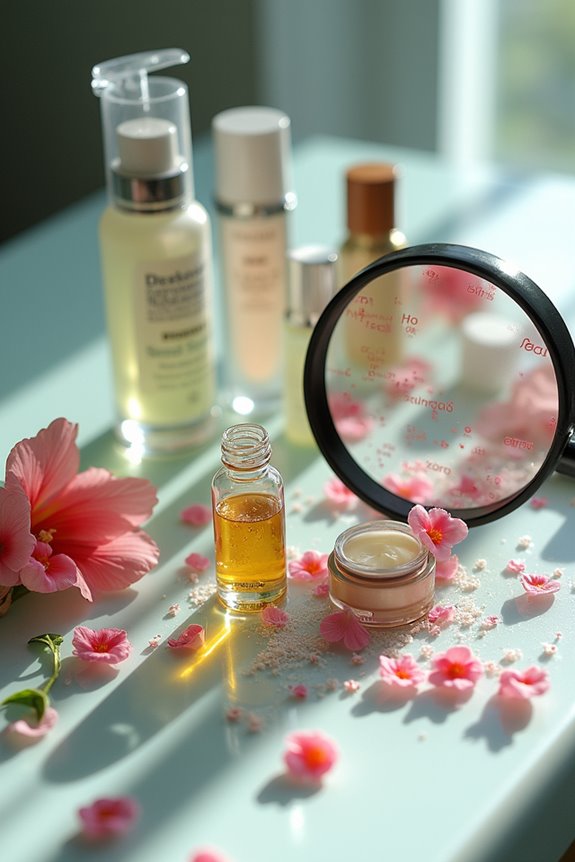
As I've dug deeper into researching common cosmetic chemicals, I'm seriously concerned about what I've discovered! You won't believe the adverse health effects lurking in your everyday beauty products.
Let me break it down for you – those ingredients that make up your favorite cosmetic products aren't as innocent as they seem. I'm talking about endocrine disruption from parabens and phthalates, cancer risks from formaldehyde (a known carcinogen!), and neurological damage from heavy metals like lead. What's scarier? That mysterious "fragrance" on your labels could be hiding dozens of harmful chemicals!
You're probably wondering why these are allowed in our products. While some health risks are well-documented, regulatory loopholes mean many toxic substances can slip through unnoticed – like 1,4-dioxane, which doesn't even need to be listed!
Recommended Products

Essential Kit EKA2: The Ungex Essential Kit EKA2 is a specialised solution designed to support healthy skin and scalp care. It is suitable for addressing concerns such as dryness, redness, and itchiness. This kit includes 1 unit of Demodex Defence Cleanser and 2 units of Pro-Demodex Treatment.

REJUVENATING SKIN SERUM: Wilma Schumann's Collagen Moisturizing Serum is a unique concentrated serum formulated to stimulate collagen production, restore elasticity and suppleness, and reduce the appearance of fine lines and wrinkles. Our luxurious skin care solution is designed to increase radiance and vitality while defying the signs of aging.

This special collection includes Epicuren Discovery's exclusive Metadermabolic Protein Enzyme Complex; the core of the Epicuren line.
Trade Secret Loopholes in Beauty Manufacturing
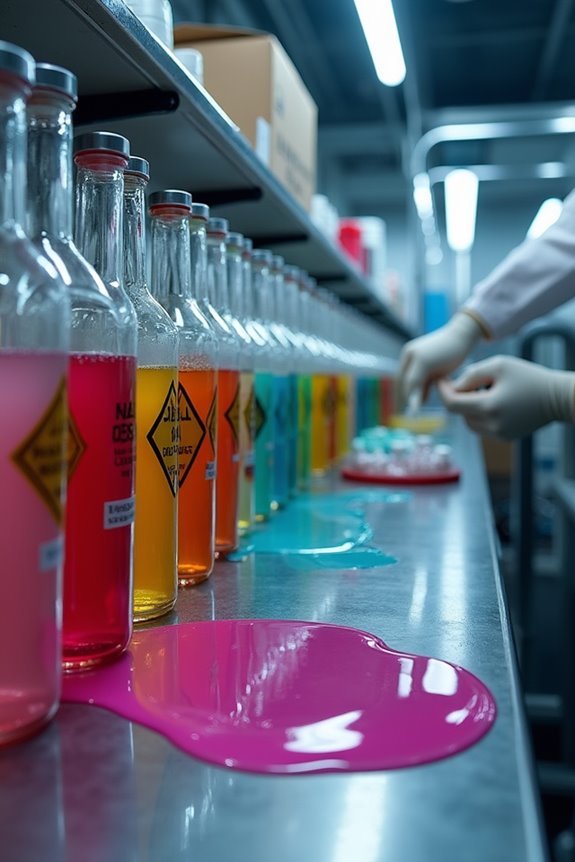
Though you might expect complete transparency about what's in your beauty products, I've discovered some shocking truths about trade secret loopholes!
You won't believe this, but manufacturers can hide numerous toxic chemicals under a single ingredient listing: "fragrance." Even though there's no legal requirement to keep these cosmetic ingredients secret, many personal care products use this sneaky trade secret claim to avoid full ingredient disclosure. I'm concerned because this lack of transparency exposes you to unknown chemical exposure and serious health risks!
What's really frustrating is that despite federal regulations requiring ingredient disclosure for other products, the beauty industry continues getting away with limited transparency. While companies could easily share their fragrance components with us, they're choosing to keep us in the dark about potentially harmful ingredients. It's time for better regulatory oversight!
Recommended Products

Full Skincare Regimen - With our 5-in-1 facial cleanser, exfoliate, hydrate, tone, and remove makeup with ease. Each order comes with a complimentary Muslin Cloth.


MULTIPURPOSE: A Natural All-In-One Cleanser, Exfoliator + Moisturizer That Restores Skin To Its Natural State Of Smooth, Glowing Wonder.
Most Harmful Ingredients Found in Personal Care Products
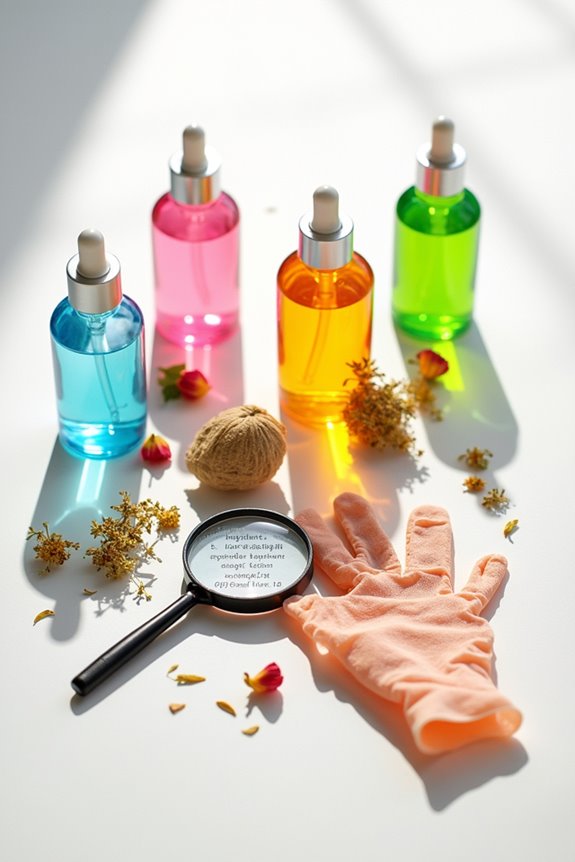
Despite what you might expect from your favorite beauty products, I've discovered some seriously concerning ingredients lurking in everyday personal care items!
You won't believe what I found in my research – parabens and formaldehyde (yes, that stuff from science class!) are hiding in many cosmetics. These carcinogens and endocrine disruptors can cause serious health problems. I was shocked to learn that dibutyl phthalate, which affects reproductive toxicity, is common in nail products and hairsprays. Even scarier? There's 1,4-Dioxane that doesn't even show up on labels! And don't get me started on the heavy metals I found – they're sneaking into everything from lipsticks to eye makeup. The chemicals in personal care products are no joke, and I'm determined to help you identify these toxic ingredients before they end up on your vanity!
Recommended Products

Comprehensive Skin Support: Designed to assist with maintaining healthy-looking skin and scalp.

REBALANCING CLEANSER: Our rosehip oil and geranium-infused cleanser gently dissolves excess oil, lifts impurities, and helps maintain skin’s natural balance while soothing redness and irritation.
PAYA Organics do not contain: Parabens, Banned Phthalates, Mineral Oil, Formaldehyde, Paraffin, Petroleum Products, Silicone Oils, Diethanolamine or DMDM Hydantoin Preservatives
Regulatory Gaps in Cosmetic Safety Standards
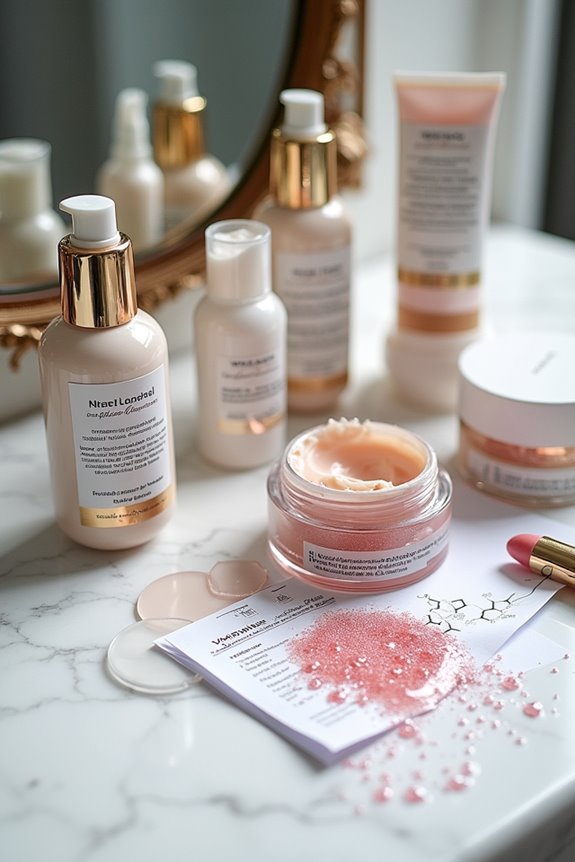
While you're busy checking ingredient labels on your beauty products, I've got some unsettling news about what's happening behind the scenes! You'd think the FDA would thoroughly test cosmetics before they hit store shelves, but that's not the case at all.
The truth is, there are major regulatory gaps in how personal care products are monitored. Only 186 harmful chemicals are banned, and the fragrance industry doesn't even have to disclose their ingredient lists – they claim it's a "trade secret!" Even scarier, outdated regulations mean your exposure to harmful ingredients isn't properly tracked or controlled.
I know it's frustrating, but there's hope! Keep demanding transparency from brands and supporting proposed legislation like the Personal Care Product Safety Act. You deserve to know what's in your products!
Choosing Safer Beauty Alternatives and Solutions
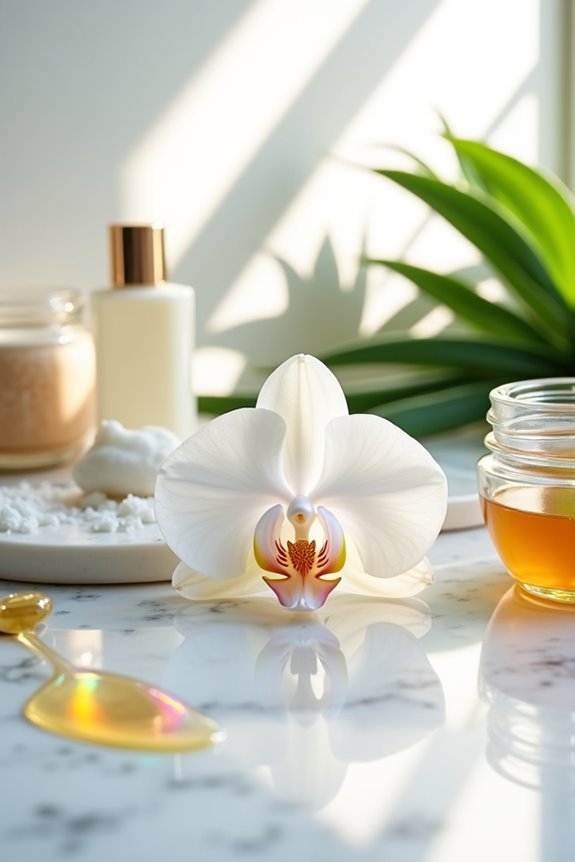
Now that you know about the regulatory gaps, let's focus on taking control of your beauty routine! You've got great options for safer beauty alternatives that won't compromise your health.
Start by checking product certifications like USDA Organic and Non-GMO Project Verified – these are your best friends for clean beauty shopping! Download apps like EWG Skin Deep or Think Dirty to scan products and identify harmful chemicals before buying. Trust me, they're game-changers!
Love DIY projects? Try making your own cosmetics! It's fun, and you'll know exactly what's in them. When shopping, support brands that prioritize transparency in ingredient labeling. Consider using products with natural ingredients to better align with your health-conscious choices. And don't forget to advocate for change – the more we demand better product safety standards, the safer our beauty products will become. Together, we can transform the industry!
Recommended Products

It is cold-pressed extracted from the seeds of the grape. Botanical name: Vitis vinifera. Sourced from Argentina, Chile, France or Italy.
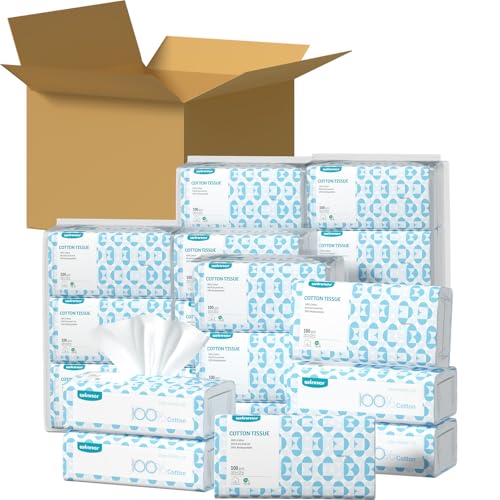
WHAT’S INCLUDED — 1 case containing 6 packs, each with 6 bags of face towels, 100 sheets per bag (36 bags total, 3600 total).
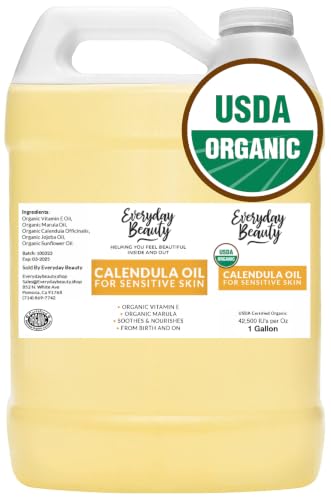
100% All Natural & USDA Certified Organic Calendula Oil For Sensitive Skin. This is a carrier oil, not essential oil of calendula.
Frequently Asked Questions
What Skincare Product Ingredients Should I Avoid?
You'll want to avoid parabens, sulfates, synthetic fragrances, mineral oils, artificial colors, phthalates, formaldehyde-releasing preservatives, triclosan, drying alcohols, and harsh synthetic preservatives in your skincare products for ideal skin health.
How Do You Check if Your Makeup Is Toxic?
With 60% of cosmetics containing harmful chemicals, you'll want to check ingredient databases like EWG's Skin Deep, read labels carefully, and use apps like Think Dirty to verify your makeup's safety and toxicology ratings.
What Are Forbidden Ingredients in Cosmetics?
You'll find many banned ingredients in cosmetics, including toxic preservatives, parabens, formaldehyde releasers, heavy metals, phthalates, microplastics, and certain chemical sunscreens. Check your local regulations as restrictions vary by country.
What Are the Controversial Ingredients Used in Cosmetics?
You'll find ongoing debates about parabens, sulfates, phthalates, formaldehyde, artificial fragrances, heavy metals, synthetic dyes, mineral oil, triclosan, and retinol in cosmetics. These ingredients spark safety and health concerns among consumers.