As an Amazon Associate, we earn from qualifying purchases. Some links may be affiliate links at no extra cost to you. Although our opinions are based on curated research, we haven't used these products. Articles generated with AI.

10 Ways To Prevent Vitamin C Redness

To prevent vitamin C redness, start with a lower concentration (5-10%) and choose gentler derivatives like Sodium Ascorbyl Phosphate. Always do a 24-hour patch test and build up usage gradually. Layer products correctly by applying to clean skin and following with a moisturizer. Store properly to prevent oxidation, and pair with soothing ingredients like hyaluronic acid. Watch for sensitivity signs, and time your application strategically. These smart steps will help you access vitamin C's full potential without the irritation.
Key Takeaways
- Start with a lower concentration (5-10%) vitamin C product and gradually increase strength as your skin builds tolerance.
- Choose gentler derivatives like Sodium Ascorbyl Phosphate or Magnesium Ascorbyl Phosphate instead of pure L-ascorbic acid.
- Layer a hydrating moisturizer immediately after vitamin C application to buffer potential irritation and reduce redness.
- Perform a 24-hour patch test on your inner arm before applying to face to prevent adverse reactions.
- Build up usage gradually, starting with 2-3 applications per week before increasing to daily use.
Start With Lower Concentration Vitamin C Products
You may be interested

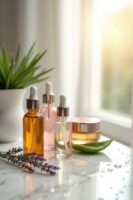
When it comes to introducing vitamin C into your skincare routine, starting with a lower concentration is absolutely the way to go! Trust me, if you've got sensitive skin types, you'll want to start with a lower concentration of vitamin C, usually around 5-10%, to avoid any irritation or allergic reactions.
Recommended Products

Supercharge Your Glow: Harnessing the power of L-ascorbic acid, the industry's gold standard of vitamin C our highest concentrated serum helps brighten skin tone, reduce signs of past skin damage and minimize the appearance of fine lines & wrinkles
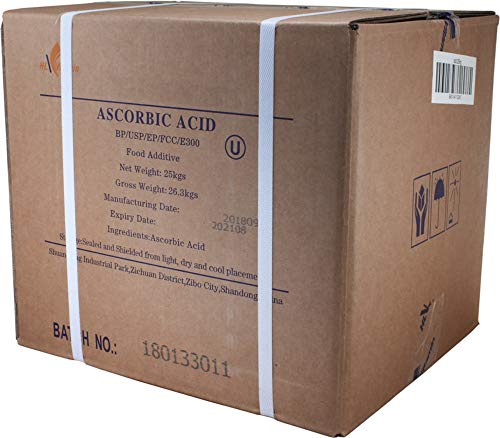
99+% Pure L-Ascorbic Acid, Chemical Formula: C6H8O6, A form of Vitamic C

Our non comedogenic formula, Non GMO, Gluten Free absorbs fast without clogging pores, irritating sensitive skin, or leaving that sticky residue that other serums do.
Choose Gentler Vitamin C Derivatives
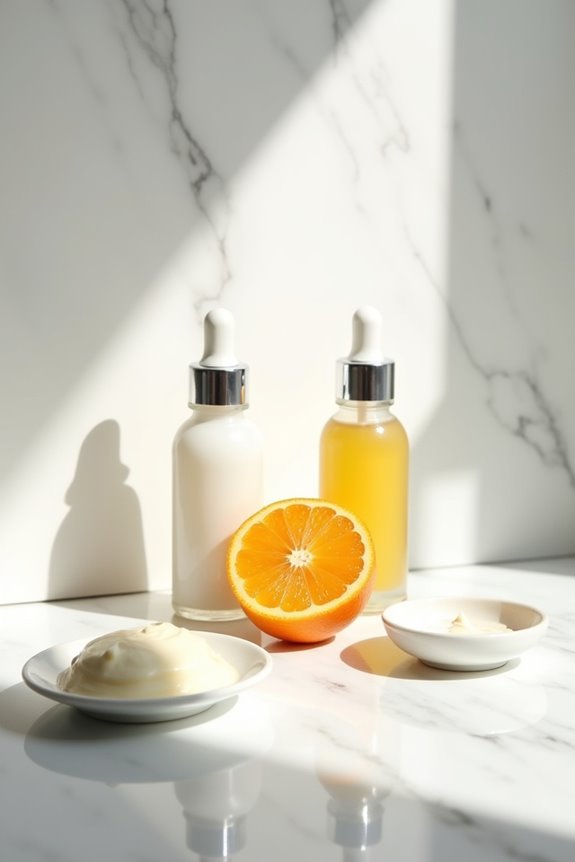
If you're struggling with vitamin C-induced redness, I've got great news – gentler vitamin C derivatives are total game-changers!
Let me introduce you to my favorite alternatives: Sodium Ascorbyl Phosphate and Magnesium Ascorbyl Phosphate. These superstar ingredients work at a higher pH that's more compatible with your skin, meaning way less irritation! What I love about Magnesium Ascorbyl Phosphate is that it not only delivers those collagen-boosting benefits but also keeps your skin hydrated.
Want to maximize results? Look for formulas that combine these gentler derivatives with hydrating ingredients like hyaluronic acid – it's a match made in skincare heaven! Start with lower concentrations and work your way up gradually. Trust me, you'll still get those amazing brightening results without the dreaded redness. Your sensitive skin will thank you! Additionally, incorporating broad-spectrum SPF into your routine can help prevent dark spot formation and further irritation from sun exposure.
Recommended Products

Promotes a Healthy, Youthful Glow: Professional-C Peptide Complex harnesses the power of Vitamin C, Kinetin, and Zeatin in one effective serum to help minimize the appearance of skin aging

PROBIOTIC-ENRICHED RADIANCE: Fortify your skin’s natural defenses with our unique probiotic complex. Helps reduce inflammation, support skin repair, and reveal a visibly brighter, healthier-looking complexion, addressing concerns like redness and hormonal acne.
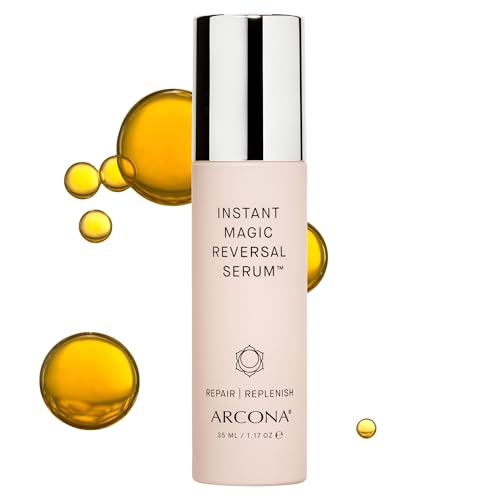
Powerful Osmoprotectants including Proline and Trehalose help to reduce premature aging.
Perform a 24-Hour Patch Test
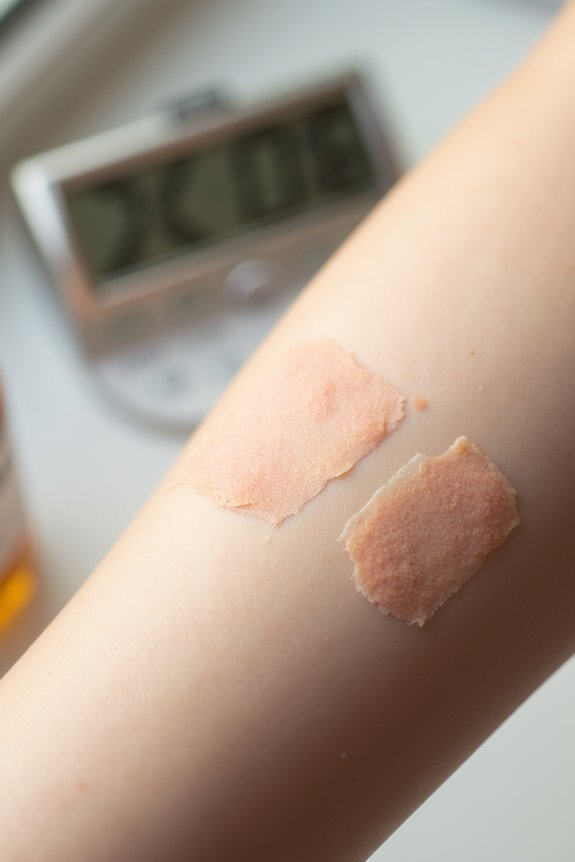
Here's how you'll perform a 24-hour patch test: Apply a tiny amount of your vitamin C product to your inner arm or jawline. You'll want to monitor this spot closely for any signs of redness, irritation, or allergic reactions over the next 24 hours. This step is super important, especially if you're using products with L-ascorbic acid, which can be pretty intense! Additionally, consider using products that are dermatologist-tested to enhance compatibility with sensitive skin.
If you notice any adverse reactions, discontinue use right away – your skin is telling you something! But if there's no reaction, congratulations – you've got the green light to use it on your face! I suggest keeping notes to track skin reactions, which will help you make smarter skincare choices in the future.
Build Up Usage Frequency Gradually
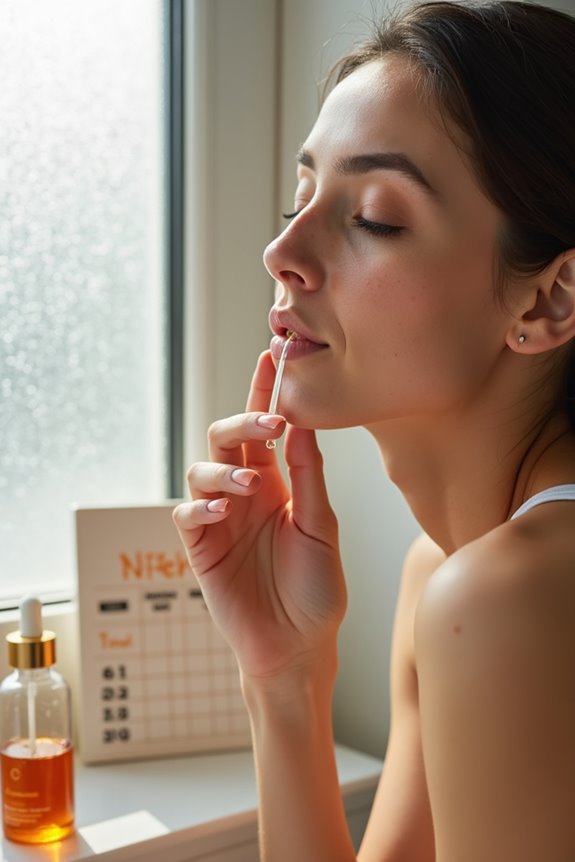
Starting your vitamin C journey requires a gentle approach, so I'm a big fan of easing into it slowly! Trust me, when it comes to building up usage frequency, taking your time makes all the difference.
I always recommend starting with just two to three applications per week. This lets your skin adjust without feeling overwhelmed – especially if you've got sensitive skin that's prone to redness. Watch how your skin reacts during this initial application phase. If you notice any irritation, don't worry! Simply dial back the frequency until your skin feels comfortable again.
Once your skin shows it's happy with the Vitamin C serum, you can gradually work your way up to daily use. I've found this method works wonders for creating a sustainable skincare routine that delivers results without the redness! Additionally, incorporating non-toxic skincare products can further enhance your routine while keeping your skin safe and healthy.
Layer Products Correctly to Buffer Irritation
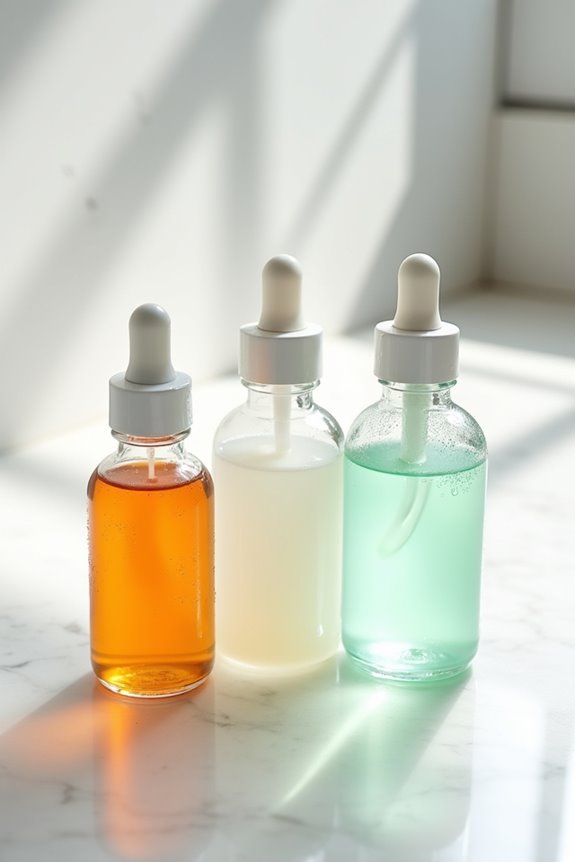
While getting the most from your vitamin C serum requires strategic layering, I've found that the right approach can make all the difference in preventing that dreaded redness!
Start with a gentle cleanser – trust me, this sets the perfect foundation. Next, apply a hydrating toner while your skin's still slightly damp (this is my favorite trick for better absorption!). Now, here's where the magic happens: layer on your vitamin C serum before moving on to a moisturizer packed with soothing ingredients like hyaluronic acid. Don't forget to let each product absorb fully – I usually wait about 30 seconds between layers for peak efficacy. Finally, seal everything with a good sunscreen during the day. This layering technique really helps buffer irritation and keeps your skin happy while the vitamin C works its magic!
Recommended Products
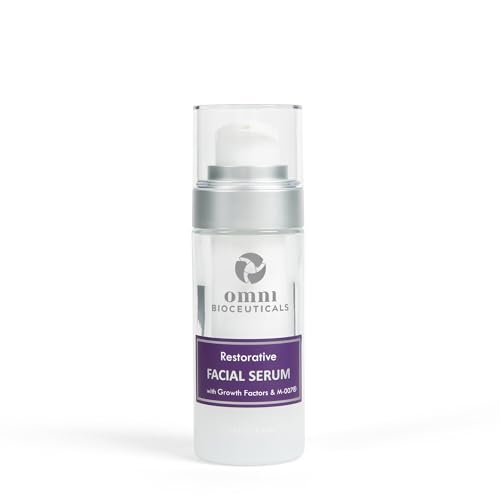
Tighten and enhance skin integrity with a hydrating face serum, featuring hyaluronic acid and peptides to restore a firm, youthful appearance.

✔️ SPA-QUALITY SKINCARE RITUAL – Matrescence is premium skincare that pampers you through pregnancy, postpartum, motherhood and beyond. Discerning moms choose Matrescence skincare to make maternity easier.

REBALANCING CLEANSER: Our rosehip oil and geranium-infused cleanser gently dissolves excess oil, lifts impurities, and helps maintain skin’s natural balance while soothing redness and irritation.
Strengthen Your Skin Barrier First

Since a strong skin barrier is your first line of defense, I can't stress enough how important it is to prep your skin before diving into vitamin C!
Trust me, I've learned from experience that jumping straight into vitamin C when your skin barrier isn't ready can lead to some seriously unhappy, red skin. That's why I always recommend starting with hydrating ingredients like hyaluronic acid and ceramides – they're total game-changers for sensitive skin! Make sure you're using gentle moisturizers without harsh chemicals, as they'll help fortify your skin's natural defenses.
Don't forget your sunscreen! I know it might seem like an extra step, but it's essential for protecting your skin barrier from UV damage. Once you've strengthened your barrier, you'll notice way less irritation and redness when using vitamin C products.
Recommended Products

TARGETED SERUM FOR AREAS WITH VOLUME LOSS APPEARANCE – This precision face serum helps improve the appearance of skin fullness and smoothness in targeted facial areas, supporting a more refreshed and lifted-looking complexion.
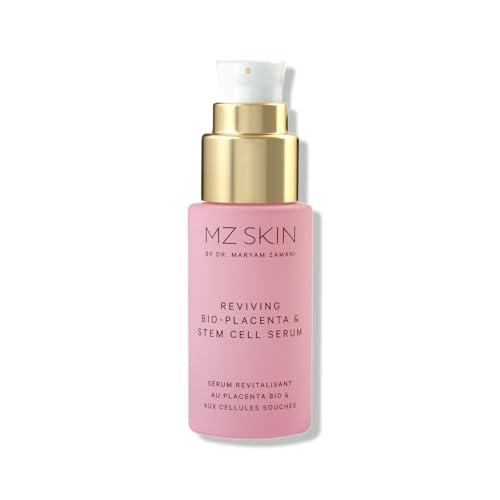
93% of women showed a decrease in wrinkles after 12 weeks

Watch for Warning Signs of Sensitivity
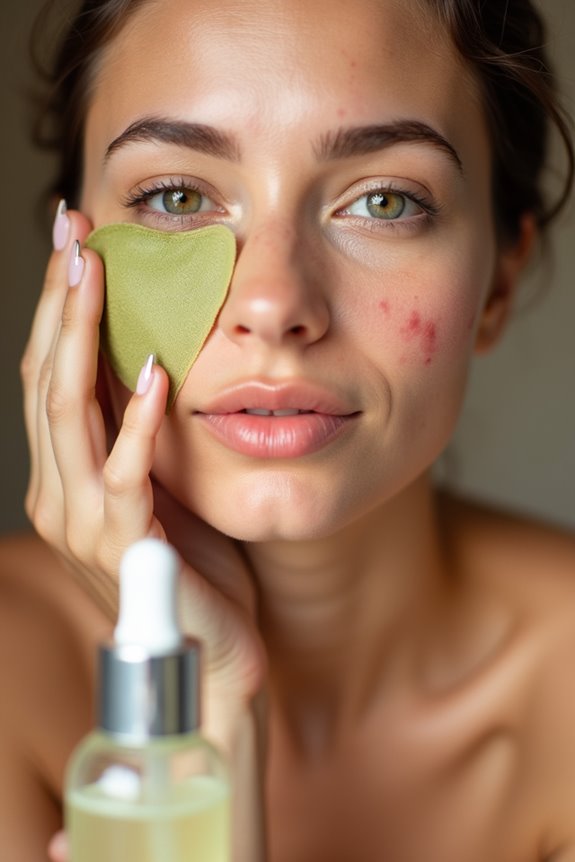
Let me share how I learned to spot those telltale signs that vitamin C might not be agreeing with your skin! After years of trial and error, I've discovered that watching for immediate redness, burning, or stinging is vital – these are your skin's way of waving a red flag!
You'll want to pay close attention to any changes in texture or sudden breakouts. Trust me, if you're noticing increased dryness or flakiness, your skin barrier might be struggling with the vitamin C formulations. The last thing you want is prolonged irritation leading to more serious issues – I learned this the hard way! That's why I always recommend doing a patch test first, especially if you have sensitive skin. It's like giving your skin a tiny preview before the main show!
Time Your Vitamin C Application Strategically
Because timing is everything when it comes to vitamin C, I've learned the perfect morning routine to maximize its benefits! I always apply it right after cleansing but before moisturizing – this sweet spot helps the antioxidants work their magic without causing irritation.
Here's my foolproof strategy: I wait 10-15 minutes for the vitamin C to fully absorb before layering on other products. Trust me, your sensitive skin will thank you! I've found it's best to avoid using vitamin C right after exfoliants (that's just asking for redness!). Instead, gradually increase your application – start with every other day until your skin builds tolerance. I love applying mine in the morning and topping it with sunscreen for extra protection. It's like giving your skin a morning coffee and a shield!
Pair With Soothing Ingredients
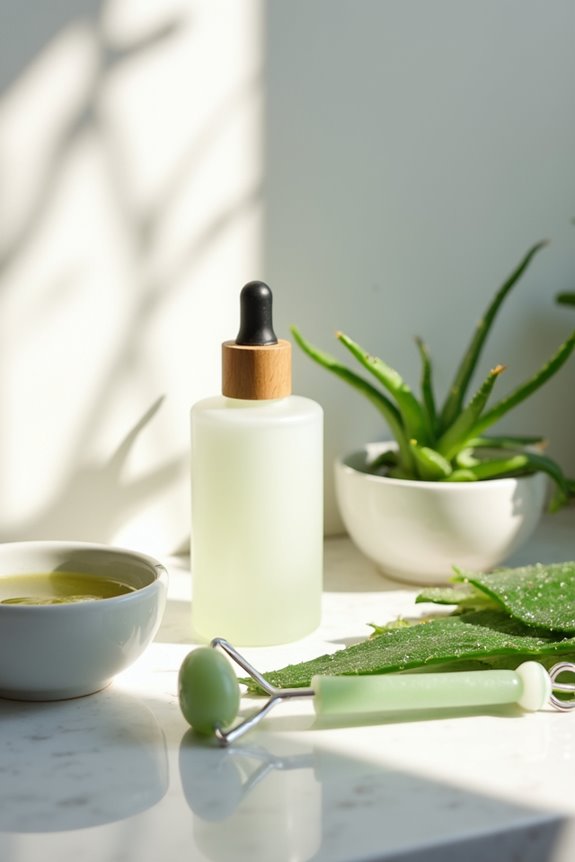
While vitamin C is amazing on its own, I've discovered that partnering it with soothing ingredients takes my skincare game to the next level!
You'll love how pairing vitamin C with aloe vera helps calm irritation and reduce redness – it's like giving your skin a gentle hug! I've found that adding hyaluronic acid to the mix is a total game-changer for boosting skin tolerance and hydration. Want even more protection? Try formulas that include vitamin E and ferulic acid. These antioxidant powerhouses work together to keep your skin happy and calm.
My absolute favorite combination includes chamomile extract – its anti-inflammatory properties are seriously magical! Trust me, once you start using vitamin C products with these soothing sidekicks, you'll wonder how you ever lived without them. Your skin will thank you!
Recommended Products

SUITABLE FOR ALL SKIN TYPES: Our formula is designed to work well with sensitive skin and won’t clog pores. This hyaluronic acid serum can be used as part of your morning and evening skincare routine for balanced, refreshed skin. Absorbs quickly with a gentle-lightweight formula, providing a silky, smooth skin texture

Nurture your skin with luxurious plant-based skincare from Solluna by Kimberly Snyder! The Feel Good Skincare System is certified cruelty-free, non-toxic, non-GMO, paraben-free & phthalate-free, and is made in the USA with organic & 100% plant-based ingredients.

Instant Glow: Achieve a radiant complexion with our power-packed facial mask skincare formula, blending Glycolic Acid and Hyaluronic Acid to deeply exfoliate and hydrate your skin, unveiling visibly bright, revitalized, and healthier skin in just one application
Store Your Vitamin C Properly to Prevent Oxidation
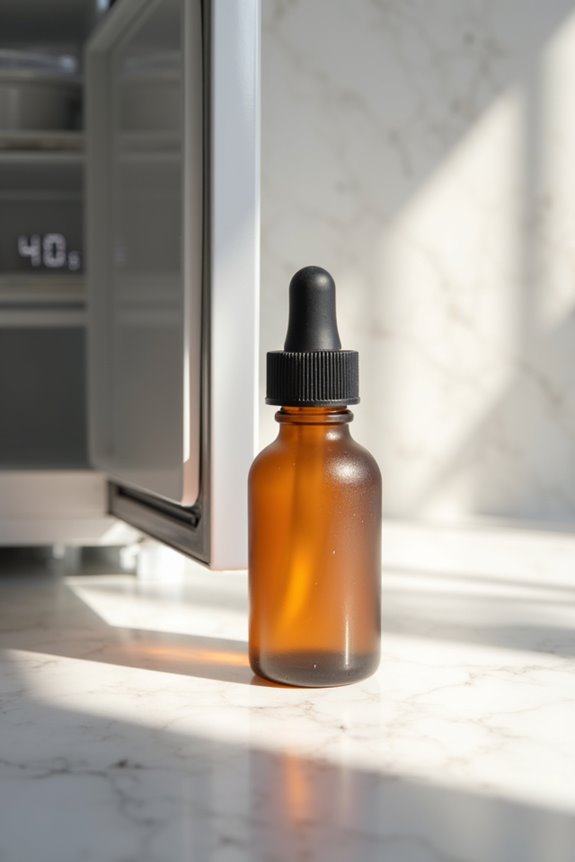
Since proper storage makes all the difference, I'm excited to share my top tips for keeping your vitamin C serum fresh and potent!
You'll want to find a cool, dark spot away from your bathroom to store your vitamin C – trust me, that humidity isn't doing your serum any favors! I keep mine in my bedroom drawer, safely tucked away from light and moisture. Always make sure you're using an airtight container or pump dispenser to keep the formula stable and effective. Here's a pro tip: check your serum's color regularly. If you notice a yellow tint developing, that's a sign of oxidation, and it's probably time for a replacement. By following these storage guidelines, you'll get the most out of your vitamin C and maintain its powerful benefits!
Frequently Asked Questions
How to Reduce Redness From Vitamin C?
You'll reduce Vitamin C redness by starting with lower concentrations, patch testing first, and applying every other day. Layer soothing ingredients, maintain hydration levels, and choose gentler formulas suited to your skin type.
Why Is My Vitamin C Serum Making My Face Red?
Your face turns red because vitamin C's low pH levels can irritate sensitive skin types. This may worsen if you're using high concentrations, haven't patch tested, or your skin barrier's compromised through improper application techniques.
How Do You Make Vitamin C Less Irritating?
Start with gentle, lower-concentration Vitamin C formulas and patch test first. Layer products properly by applying to damp skin, follow with hydration boosters, and always moisturize afterward. This'll help minimize skin sensitivity.
How Do You Prevent Vitamin C Oxidation on Skin?
Store your vitamin C serum in a dark, airtight container and apply it immediately after cleansing. Choose stable formulations with antioxidants like vitamin E. Don't use products that've changed color, indicating oxidation.